Movies
“Intent is momentous.” - Matthew McConaughey
A curated collection ofdocumentaries and historical films that explore the human condition through philosophical inquiry and intense visual storytelling.
🎠 Disney Adventures
 The Island at the Top of the World (1974)
A thrilling Disney adventure following Professor Ivarsson and his daughter as they embark on a daring expedition to find a lost Viking colony in the Arctic, encountering fantastical creatures and ancient mysteries along the way.
Key Points:
- Vintage Disney adventure filmmaking showcasing the studio’s mastery of family-friendly stories in the 1970s
- Spectacular Arctic settings with innovative special effects and creature designs for the era
- Family dynamics and courage as father and daughter face dangers together in uncharted territories
- Nostalgic blend of exploration, fantasy, and mild peril that defined classic Disney adventure films
- Historical Viking lore combined with imaginative storytelling about lost civilizations in the frozen north
 20,000 Leagues Under the Sea (1954)
Disney’s groundbreaking adaptation of Jules Verne’s classic novel, following Professor Aronnax and his companions as they encounter Captain Nemo’s magnificent submarine Nautilus and explore the mysteries of the deep ocean, featuring pioneering underwater photography and special effects for its time.
Key Points:
- Revolutionary underwater filmmaking pioneering special effects and cinematography that set new standards for aquatic adventure films
- Captain Nemo’s philosophical vision exploring themes of isolation, technology, and humanity’s relationship with the sea
- Spectacular submarine design with the Nautilus representing one of cinema’s most iconic fictional vessels
- Blend of adventure and scientific wonder capturing the awe and mystery of ocean exploration in the 19th century
- Timeless appeal as one of Disney’s most ambitious live-action films, influencing countless underwater adventures
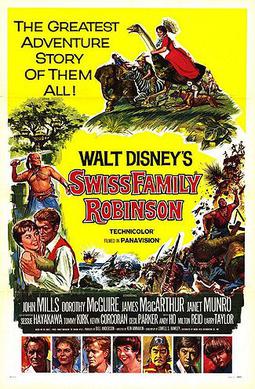 Swiss Family Robinson (1960)
Disney’s vibrant adaptation of Johann David Wyss’s classic tale, where a shipwrecked family transforms a deserted tropical island into their home, building ingenious inventions and forming bonds with exotic wildlife while facing the challenges of survival and adventure.
Key Points:
- Family ingenuity and resourcefulness showcasing clever inventions and survival techniques that became iconic in family entertainment
- Tropical paradise setting with lush island landscapes and wildlife encounters that captured the imagination of audiences
- Themes of family unity and cooperation as the Robinson family works together to overcome isolation and danger
- Innovative special effects for the era, featuring trained animals and creative set designs that brought the story to life
- Enduring popularity as one of Disney’s most beloved live-action adventure films, inspiring generations of viewers
 The Sword in the Stone (1963)
Disney’s enchanting animated adaptation of T.H. White’s novel, following the young Arthur (Wart) as he is tutored by the wizard Merlin, learning valuable lessons about life, courage, and destiny before becoming the legendary King Arthur by pulling the sword from the stone.
Key Points:
- Groundbreaking animation techniques introducing Xerox animation process that revolutionized Disney’s production methods
- Humorous mentor-student relationship between Merlin and young Arthur, filled with witty dialogue and magical mishaps
- Classic Disney character design featuring memorable animal companions and villains that became iconic in animation history
- Themes of education and self-discovery as Arthur learns important life lessons through various transformations and adventures
- Musical excellence with Academy Award-nominated songs including “Higitus Figitus” that showcased the Sherman Brothers’ talent
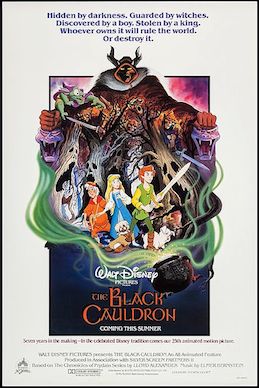 The Black Cauldron (1985)
Disney’s ambitious animated adaptation of Lloyd Alexander’s Chronicles of Prydain series, following the brave young pig keeper Taran as he embarks on a perilous quest to prevent the evil Horned King from unleashing an immortal army using the magical Black Cauldron, exploring themes of courage, destiny, and the nature of power.
Key Points:
- Darker tone and mature themes marking a departure from traditional Disney animation with more intense peril and complex character development
- Spectacular animation innovation pioneering computer-generated imagery for the film’s climactic battle sequences
- Rich character ensemble featuring memorable companions including the sarcastic bard Fflewddur Fflam and the comical Gurgi
- Epic fantasy storytelling drawing from Welsh mythology while establishing Disney’s venture into more serious animated fantasy
- Cult classic status beloved by fans for its ambitious scope and willingness to tackle darker themes in family entertainment
 The Black Hole (1979)
Disney’s ambitious science fiction adventure following the crew of the spaceship Palomino as they investigate the mysterious black hole and encounter the enigmatic scientist Dr. Hans Reinhardt aboard his colossal ship, exploring themes of scientific hubris, artificial intelligence, and humanity’s quest for knowledge at any cost.
Key Points:
- Groundbreaking visual effects pioneering computer-generated imagery that set new standards for science fiction filmmaking in the late 1970s
- Philosophical exploration examining the ethical implications of scientific advancement and the dangers of unchecked ambition
- Memorable robotic characters featuring the sinister Maximilian robot and the helpful V.I.N.CENT, showcasing early AI representation in cinema
- Epic space opera scale with massive ship designs and cosmic visuals that rivaled major science fiction productions of the era
- Cult following appreciated for its ambitious storytelling and technical innovation despite mixed critical reception at release
🎬 Werner Herzog Documentaries
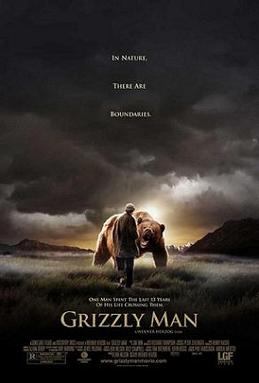 Grizzly Man (2005)
Herzog’s profound exploration of Timothy Treadwell’s life among Alaska’s grizzly bears, examining the complex relationship between humans and wild nature.
Key Points:
- Timothy Treadwell’s radical approach to living among grizzly bears for 13 summers, believing he could protect them through human presence
- Herzog’s philosophical narration contrasts Treadwell’s idealism with the harsh reality of nature’s indifference
- Raw footage captures both the beauty and deadly danger of grizzly bears in their natural habitat
- Exploration of human-nature relationship and mankind’s place in the wilderness
 The Cave of Forgotten Dreams (2010)
A mesmerizing 3D documentary exploring the Chauvet Cave paintings in southern France, some of the oldest human art ever discovered.
Key Points:
- Discovery of Chauvet Cave containing the oldest known human artwork, dating back 32,000 years
- Pioneering 3D cinematography to capture the cave paintings and bring prehistoric art to life
- Scientific collaboration with archaeologists and paleontologists to understand the cave’s history
- Philosophical reflections on the continuity of human creativity across millennia
 Encounters at the End of the World (2007)
Herzog’s philosophical journey to Antarctica, featuring the unique individuals who choose to live and work at the bottom of the world.
Key Points:
- Portraits of eccentric individuals who choose to live and work in Antarctica’s extreme conditions
- Stunning natural phenomena including underwater volcanic activity and unique wildlife
- Philosophical interviews exploring why people pursue scientific research in isolation
- Herzog’s signature narration questioning humanity’s place in the cosmos
⚔️ Historical Films
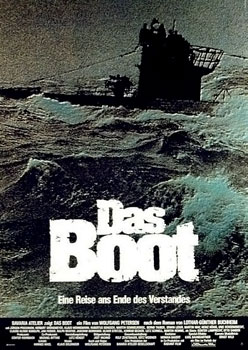 Das Boot (Wolfgang Petersen, 1981)
The definitive submarine warfare film, depicting the claustrophobic terror and psychological strain of German U-boat crew during World War II.
Key Points:
- Authentic submarine warfare depicting the claustrophobic reality of U-boat life during WWII
- Crew dynamics showing how war transforms ordinary men into combatants under extreme stress
- Technical innovation in submarine model work and sound design that set new standards for war films
- Anti-war message through the human cost and psychological toll of naval combat
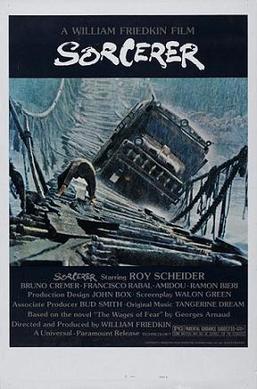 Sorcerer (William Friedkin, 1977)
William Friedkin’s intense thriller following four desperate men who agree to transport highly volatile nitroglycerin through the treacherous jungles and mountains of South America for a large payoff, testing the limits of human endurance and survival against overwhelming odds.
Key Points:
- High-stakes cargo transportation featuring dangerously unstable nitroglycerin that demands constant vigilance and skill
- International ensemble cast with Roy Scheider, Bruno Cremer, Francisco Rabal, and Amidou portraying men from different backgrounds united by desperation
- Harsh South American locations showcasing real jungles, swamps, and mountains that became characters in the film’s intense narrative
- Themes of redemption and survival as the drivers confront their pasts while facing life-threatening challenges on their perilous journey
- Friedkin’s technical mastery with groundbreaking practical effects and suspenseful sequences that influenced action filmmaking
🤠 Westerns
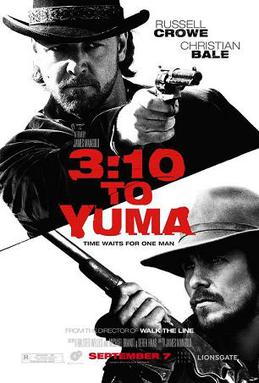 3:10 to Yuma (2007)
An intense psychological western where Russell Crowe and Christian Bale struggle with complex moral choices, focusing the conflict between honor and survival. Director James Mangold masterfully forces both characters to continually reassess which principle matters more, culminating in a finale that earns its ambiguity.
Key Points:
- Moral conflict between honor and survival as a rancher must decide whether to risk his life for justice
- Complex character arcs showing the transformation of both the outlaw and the lawman during their journey
- Psychological tension building through the dangerous trek to deliver the prisoner to the train
- Ambiguous ending that questions the nature of redemption and the cost of moral choices
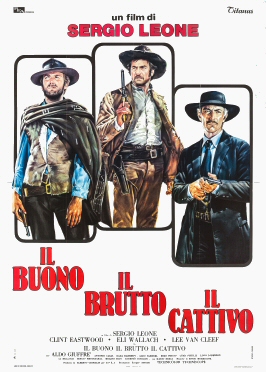 The Good, the Bad and the Ugly (1966)
Sergio Leone’s masterpiece and the final film in his “Dollars Trilogy,” featuring Clint Eastwood, Lee Van Cleef, and Eli Wallach in a brutal tale of greed, betrayal, and survival during the American Civil War. This epic western redefined the genre with its sweeping landscapes, iconic score by Ennio Morricone, and unforgettable anti-hero characters.
Key Points:
- Iconic “Dollars Trilogy” conclusion completing Leone’s evolution of the western genre with sophisticated storytelling
- Complex anti-hero characters led by Clint Eastwood’s “Man with No Name,” exploring moral ambiguity in the Old West
- Ennio Morricone’s legendary score featuring the famous “Ecstasy of Gold” trumpet melody that became synonymous with westerns
- Sweeping Civil War-era setting depicting the chaos and opportunism of war through the hunt for Confederate gold
- Groundbreaking cinematography with extreme close-ups and vast desert landscapes that influenced countless films
🔮 Science Fantasy
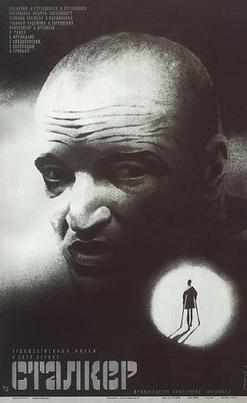 Stalker (Andrei Tarkovsky, 1979)
Andrei Tarkovsky’s enigmatic masterpiece following a “Stalker” who illegally guides clients through a mysterious quarantined zone known as “The Zone,” where the laws of physics are altered and deepest wishes can be fulfilled, exploring profound questions about human desire, spirituality, and the nature of reality itself.
Key Points:
- Philosophical exploration examining the human condition through a mysterious zone that challenges perceptions of reality and desire
- Tarkovsky’s signature style featuring long, contemplative takes and stunning cinematography that create an atmosphere of metaphysical wonder
- Complex narrative structure blending science fiction with spiritual allegory, leaving room for multiple interpretations
- Themes of faith and skepticism as characters grapple with whether the Zone’s power is divine, scientific, or psychological
- Enduring influence on science fiction cinema with its atmospheric world-building and exploration of existential questions